
“Ehara i te mea e ea ai te karanga i ngā mihi whakahirahira, engari kē i ngā mahi noa o ia rā”
“Our perfection does not consist in performing extraordinary actions, but rather in performing extraordinarily well, the ordinary actions of every day”
Mihi Whakatau
A Mercy welcome to you…
Ko te tīmatanga o te whakāro nui, ko te wehi ki te Atua. Ki ngā wāhi tapu e hora nei, ngā maunga, ngā Awa, ngā moana, te whenua i raro nei, kei te mihi.
Ki a koutou kua wheturangitia, haere ki ngā ringa atawhai o tō tātou Ariki, a Hehu Karaiti, moe mai ra.
Huri noa ki a tātou. E ngā reo, e ngā waka, e ngā mana, piki mai, kake mai, whakatau mai ki te whānau Atawhai. Tēnā koutou kātoa i raro i te aroha kore mutu o te Atua. He mihi mahana, he mihi tautoko, he mihi atawhai tēnei. Whakatau mai.
The beginning of all wisdom is to respect, with awe, the wonder of our Creator’s universe. We acknowledge the sacred spaces and places, the mountains, the rivers, the oceans, and the land beneath our feet.
To those who have become as stars in the heavens, farewell to the merciful hand of God, rest. To everyone living in the light of the world, the many voices, histories and relationships, we acknowledge you.
Come, step up and join us on this journey. We invite you to reside with us in the family of Mercy. We offer a warm welcome and for you to share in God’s generous love for us all. An embracing welcome, a supportive welcome, a welcome to God’s mercy.
Whānau Mercy Ministries has been established to carry forward the rich legacy of the Sisters of Mercy, serving communities across Aotearoa New Zealand. Founded by Catherine McAuley in 19th-century Dublin and guided by her teachings and the same spirit of mercy, justice, and love, we seek to serve all people with deep compassion, especially those in great need.
Grounded in our core values of aroha, manaakitanga, and kaitiakitanga, we are dedicated to transforming lives and weaving a future filled with hope.
“Mercy is the force that reawakens us to new life and instills in us the courage to look to the future with hope”
Pope Francis
Statement of Purpose
The Statement of Purpose for Whānau Mercy Ministries says:
We are committed to the Gospel of Jesus Christ, the tradition of Catherine McAuley, Te Tiriti o Waitangi and the sacredness of all creation. Out of God’s mercy we respond willingly and walk compassionately with those who are seeking:
- Healing and Wholeness
- Relief from Suffering
- Restoration of Human Dignity
- Knowledge, Understanding and Wisdom
- Care for our Common Home
We do this through our education, healthcare, and community ministries in the name of the Catholic Church.
Āhua
Our Values
At Whānau Mercy Ministries, our values are woven into every aspect of our work, guiding each of us – from board members to volunteers – in the decisions we make and the way we engage with others.
These values are brought to life through Tikanga Mercy, the Mercy Way, and are expressed in our three key values:
Aroha
Love, compassion, relationship. God is at the centre. Aroha is ‘in the presence’ and in relationship.
Whanaungatanga
To cause, make, create relationship to enable belonging and inclusion. This principle acknowledges one’s story, the inter-relationships of other stories and whakapapa. It listens, holds, honours and retells.
Kaitiakitanga
A kaitiaki is one who guards and guides the direction, action and spiritual alignment with whakapapa, vision and values.
Whānau Mercy
Trustees
Shaping the Future of Whānau Mercy
Whānau Mercy Ministries is governed by a dedicated Board of Trustees who are committed to upholding the values and mission of Mercy. Each member brings unique expertise and insight, ensuring that our work remains faithful to the vision of Catherine McAuley and responsive to the needs of our communities. The Board is responsible for overseeing the strategic direction of Whānau Mercy Ministries and providing both guidance and governance. The aim of Whānau Mercy Ministries is to continue to serve with compassion, justice, and a deep sense of responsibility toward those who are most vulnerable in the communities that we serve. The Trustees help to shape the future of Whānau Mercy Ministries, ensuring that our mission thrives and evolves in alignment with Tikanga Mercy whilst staying true to our origins.

Gerald Scanlan
Gerald’s extensive leadership and governance experience within the Catholic Church, at both local and national levels, and his lifelong faith commitment, provide a strong foundation for the role of Trustee and Chair. Gerald’s time as Trustee has led to a deepening appreciation of the Mercy charism. He is inspired by the wisdom and foresight of the Sisters in Aotearoa and respects the courage it took to reimagine their ministry and to share its leadership with laity. Gerald also values Mercy’s profound commitment to Te Tiriti o Waitangi and care of creation.

Philip Alexander-Crawford
Philip (Ngāti Hine, Ngāti Rēhia, Ngāpuhi) has extensive governance experience serving on the Boards of two of the Mercy community ministries. Phil says this was a rewarding and positive experience as it allowed him to ‘live my faith in supporting mahi that I really believe in’. Phil brings this unique understanding and perspective to the Whānau Mercy Board. Phil’s personal kaupapa is based on whānau in its wider sense (physical, emotional and spiritual) and on whakapapa that includes Catherine McAuley and her Sisters of Mercy. He has a strong sense of whakapono (faith and trust) and ako (teaching and learning).
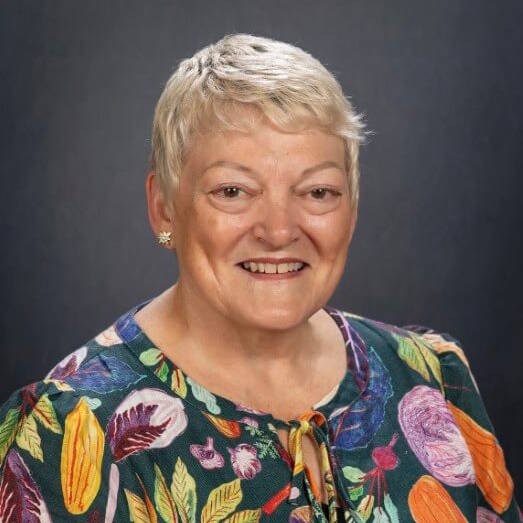
Judy Whiteman
Committed to helping people achieve success for themselves and their organizations. Judy has a diverse background in governance and a wide range of experience in the commercial and not-for-profit sectors. ‘I count curiosity as one of my gifts. I ask questions to understand and explore what has gone before and what is possible in going forward.’ As a trustee of Whānau Mercy Ministries, Judy says her hope is to not only help to ensure that the work which the Sisters of Mercy have begun continues but ‘potentially growing the amazing legacy of Catherine McAuley and her sisters in New Zealand.’

Charlotte Cummings
Charlotte describes herself as a person with a “whakapapa of Mercy”, with two aunts as Sisters of Mercy, as well as attending Villa Maria College. Charlotte brings a wealth of experience from a very varied professional career including counselling, leadership of health and social services, consultancy work, and response to abuse and harm complaints in faith-based settings. Charlotte is delighted to serve as a Trustee hoping to build “on the legacy of the Sisters of Mercy in this land and ensuring that the Mercy charism remains a central focus as we journey on.”

Catherine Fyfe
Catherine is not only a past student Villa Maria College in Christchurch but has chaired the Proprietor Boards of both St Mary’s College and St Catherine’s College in Wellington. Combining this with her extensive experience in the banking and age care sectors, Catherine is deeply committed to continuing the vision and tradition of Catherine McAuley in a way that is relevant to Aotearoa today. ‘The Sisters of Mercy have given so much to education, health and social services, and I feel honoured that they have the confidence in us to take our Mercy mission forward’.

Michael Quigg
Michael was a foundation pupil at St Francis Xavier School and then attended St Patrick’s College in Wellington. Michael studied law at Victoria University and with his brother David established a leading employment law practice. Michael has added valuable governance expertise to his extensive legal and business experience having served on various Boards including the Home of Compassion, IHC, the NZ Cricket Museum Trust, President of Cricket Wellington and the Parole Board. Michael has two aunts who were Sisters. Sister Maria Stephen of the Home of Compassion and Sister Monica Quigg, a Sister of Mercy, who encouraged Michael to join the Board of Whānau Mercy Ministries.
Whānau Mercy
Kaimahi
Whānau Mercy Ministries is supported by a dedicated team who work diligently to uphold and advance our mission. Guided by the values of Mercy, our kaimahi provide essential support to the ministries, ensuring that those working directly in education, healthcare and community service have the resources and guidance they need to serve with compassion and justice. Each kaimahi plays a vital role in upholding the kaupapa of Whānau Mercy Ministries, strengthening and sustaining the ministries. Their work creates the conditions for the ministries to thrive empowering those on the front lines to be the hands and hearts of Mercy in their communities. With deep commitment and care, the kaimahi of Whānau Mercy Ministries ensure the mission of Mercy not only endures but continues to evolve, staying true to its founding values while adapting to today’s needs.
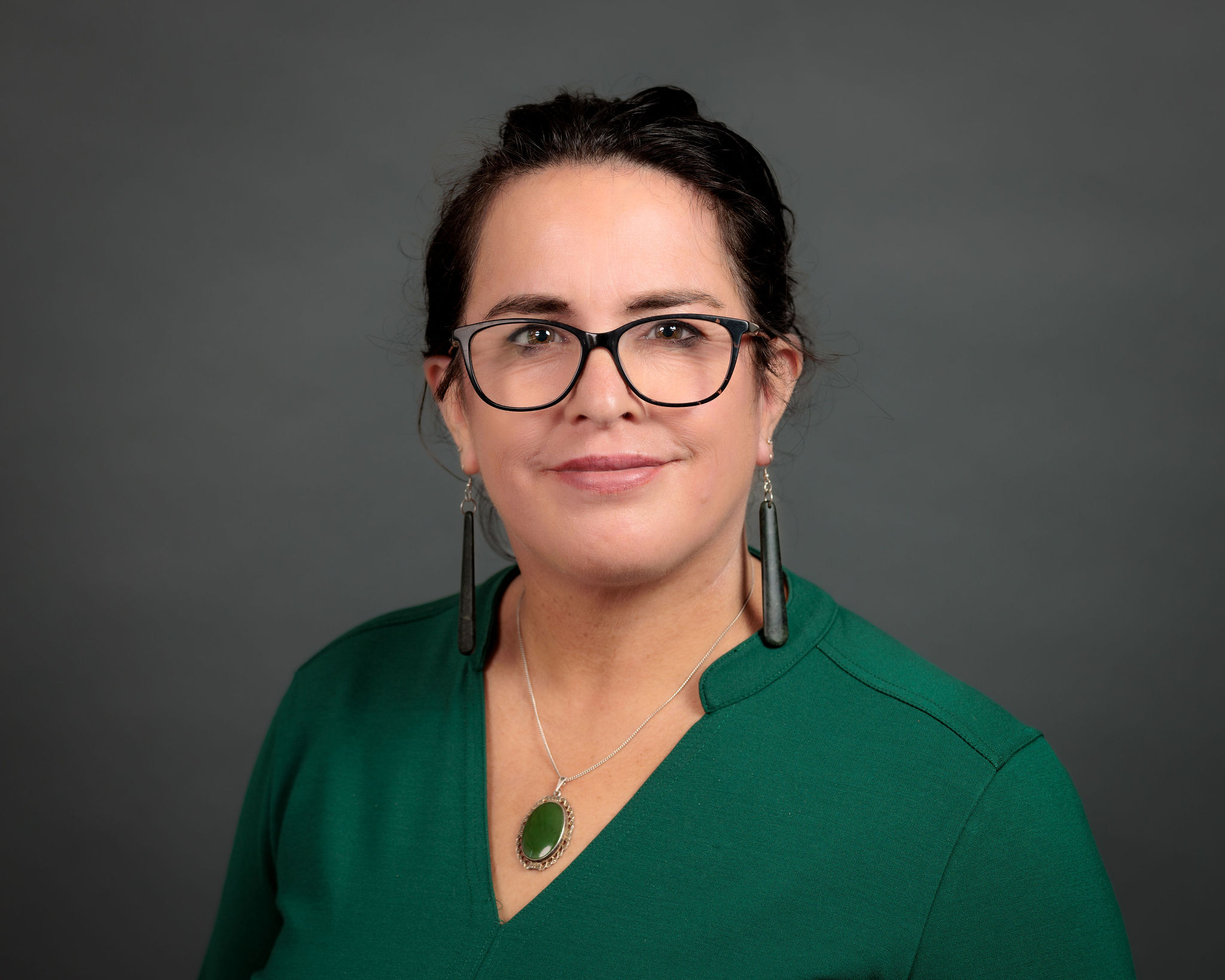
Natasha Watson
Natasha has extensive governance experience in Aotearoa’s education sector. She was the National Policy Advisor for the NZSBA’s membership arm, advocating for school boards. A lifelong learner, she has studied law, history, psychology, and theology and is currently learning te reo Māori and tikanga Māori. An active member of Te Wairua Tapu Catholic Parish in Lower Hutt, she has whakapapa to Ngāti Manawa, Ngāi Tūhoe, Ngāti Whare, Ngāti Pikiao, and Ngāpuhi, with her strongest iwi connection to Ngāti Manawa. Natasha is excited to bring her knowledge and experience to her role as Pou Atawhai with Whānau Mercy Ministries.

Rochelle Quan

Dave Mullin
Dave comes to Whānau Mercy Ministries with a diverse background, managing significant commercial and pastoral projects. His experience, education and skills are in leadership, project & risk management, governance support, social work, youth work, and educational contexts. His track record in the ‘for-purpose’ sector demonstrates adeptness in navigating complex roles and diverse governance and management structures.
Prior to this role, Dave served as the project director for Te Rōpū Tautoko, leading Catholic engagement and response to the Royal Commission of Inquiry into Abuse in Care. Additionally, he continues to lead the New Zealand Catholic Church Insurance Scheme as its manager.
Whakapapa Mercy
Catherine McAuley’s Story
Whakapapa is often translated as genealogy, but it represents much more: it tells the story of relationships among people, elements, and life itself, helping us understand who we are and where we come from.
Catherine McAuley’s Early Life
Catherine McAuley was born in Dublin on 29 September 1778, one of three children in a Catholic family. Despite the hardships of the penal laws against Catholics, her family lived in relative privilege, thanks to her father’s work as a property owner. Her father, James McAuley, was a devout Catholic known for his compassion toward the poor, and his Sunday religious lessons for local children left a lasting impression on Catherine. He passed away when she was just five, but his example deeply influenced her lifelong mission.
After her father’s death, the family struggled financially. Catherine’s mother, Elinor, continued raising her children but was unable to manage the family’s finances. By the time Catherine reached adulthood, they depended on relatives for support, and Catherine had moved several times. Her mother passed away when Catherine was 20, leaving Catherine to fend for herself.
Life at Coolock
In 1803, Catherine McAuley was invited to live with William and Catherine Callaghan, a wealthy childless couple who had returned to Dublin after missionary work in India. They settled in Coolock, where Catherine took charge of household management. Though restricted in her ability to display her Catholic faith, she continued her work in the community, assisting the poor, teaching children, and caring for those in need.
During her time at Coolock, Catherine also cared for her sick sister’s children and an ailing woman named Mrs. Harper, who exhibited erratic behavior but whom Catherine compassionately looked after until her death. When Mrs. Callaghan passed away, Catherine continued to care for Mr. Callaghan until his death in 1822. Upon his passing, Catherine inherited a large sum of money, which she used to fulfill her dream of serving the poor.
The House of Mercy: A Legacy Begins
With her inheritance, Catherine built a large house on Baggot Street in Dublin, which opened on 24 September 1827 as the House of Mercy. Situated in a wealthy neighbourhood, the house was designed to encourage the rich to help the poor by making their needs visible. Catherine began her work of sheltering and educating young women, while also caring for her family and others in need.
Despite opposition from her brother, James, and criticism from clergy who were uncomfortable with a woman leading such efforts, Catherine pressed forward. She and her companions, including Anna Maria Doyle, worked tirelessly, educating children, teaching domestic skills, and visiting the poor in their homes.
Becoming a Sister of Mercy
To gain official Church approval for her work, Catherine and two companions entered the Presentation Convent in 1830 to begin their novitiate. After professing their vows in 1831, they returned to the House of Mercy, where the needs of the poor were overwhelming. Catherine trained new sisters and expanded the ministry, founding convents in Ireland and England, while continuing to care for those in need. Her commitment to serving the poor, including during a cholera epidemic in Dublin, earned the Sisters of Mercy the nickname “the walking sisters” as they went out into the community to assist the sick and dying.
Over the next decade, Catherine established 14 convents, tirelessly traveling to support each new foundation. Despite her growing illness, Catherine continued her work until her death on 11 November 1841. Her final words to her sisters reflected her enduring spirit of compassion: “Tell the Sisters to get a good cup of tea… and comfort one another.”

Whakapapa Mercy
Aotearoa
The Journey of the Sisters of Mercy to New Zealand and the Pacific.
Within ten years of Catherine McAuley’s passing, the Sisters of Mercy had spread their mission across the globe, establishing convents in the United States, Australia, Newfoundland, and New Zealand. The first Sisters arrived in New Zealand in response to a specific request from the Māori people, who asked Bishop Pompallier to bring wahine tapu (holy women) to educate their children. Recognising the importance of this call, Bishop Pompallier reached out to the convent in Carlow, Ireland, which had been founded by Catherine McAuley in 1837.
Mother Cecilia Maher, along with seven courageous companions, embarked on a long and treacherous sea voyage in August 1849. After eight months at sea, they arrived in Auckland on 9 April 1850, marking the beginning of the Sisters of Mercy’s legacy in New Zealand as the first religious sisters to arrive on the shores of Aotearoa. From that initial foundation, the Sisters continued to expand their work, establishing new communities across the country: Wellington in 1861, Hokitika in 1878, and Dunedin in 1897. The Sisters’ mission extended beyond New Zealand’s shores when, in 1962, they sent a mission from Christchurch to Tonga, and to Samoa from Auckland in 1972.
As the world evolved, so too did the needs of the communities the Sisters served. In response to these changes, the Sisters of Mercy in Aotearoa New Zealand, united to form one Congregation on 12 December 2005. Today, they are known as Ngā Whaea Atawhai o Aotearoa Sisters of Mercy New Zealand, as determined as ever to serve the needs of the community.
Whānau Mercy Ministries (a ministerial public juridic person) was established on the 27 November 2022 to ensure the continuation of the work of the Sisters in partnership with a diverse array of people, organisations and even government. Our aim is to enable our ministries to adapt and respond in contemporary ways to meet modern challenges while still holding fast to our core mission values of aroha, whanaungatanga, and kaitiakitanga.
“Ko te atawhai… ta matou kaupapa matua”
“Mercy… the business of our lives”
Catherine McAuley
Ngā Tohu Atawhai
Mercy Symbols
Symbols and celebrations hold a special place in the heart of Whānau Mercy, helping to shape and express our identity. These symbols transcend time and place and connect us to our Mercy tīpuna. Embedded in our biblical and cultural traditions, these symbols make the values that guide our Mercy journey visible. They reflect the Gospel’s teachings and the everyday experiences that shape our lives, linking us deeply with the gifts of Papatūānuku.

The Mercy Cross
In 1831 Catherine McAuley designed a cross of ebony and ivory for the Sisters to wear as a profound symbol of the mission and vision of Mercy. Whilst still symbolising new life, hope, and possibility, Catherine made a deliberate choice not to include the figure of Christ on the cross. Catherine believed that the suffering Christ was already present in the world, embracing people who lived lives of deep suffering, poverty, and pain. Catherine wanted the sisters to see Christ in every person and for the cross to be a call to action to live out the Gospel through compassionate service and solidarity

A Good Cup of Tea
In her last moment of life, Catherine asked, “Will you tell the sisters to get a good cup of tea when I am gone, and to comfort one another?” Catherine demonstrated the need for human interaction and relationship, that shows a genuine respect for others. Catherine’s expression of hospitality and our Whānau Mercy value of Manaakitanga are expressions of deep, heartfelt compassion,and a way of acknowledging the humanity and worth of others. Having a good cup of tea cannot be rushed and ensures that relationships are prioritised over the urgent matters on the meeting agenda.

The Handmade Boots
The handmade boots worn by Catherine McAuley and the Sisters of Mercy have become a powerful symbol of the ‘walking nuns’ and the great distances they walked to care for the vulnerable, sick and poor in their hovels or hospitals. The Sisters were harshly criticised as ‘respectable’ women should have had a male chaperone. But the boots have become a symbol of defiance and determination as the Sisters walked the back-streets and alleys of Dublin, through mud and snow, to reach those who needed their care. Soon the boots were stepping onto foreign shores as the work of the Sisters expanded overseas.

The Shawl of Mercy
On a bitterly cold night in 1832, Catherine McAuley rescued a new born baby whose mother had just died of cholera. Wrapping the infant in her black shawl, Catherine took the child to her room. This act of care and protection with a simple shawl has become a symbol of the selflessness and compassion that is often required to meet the needs of the most vulnerable. Being such a personal garment, using your shawl to care for someone else is a selfless act. Wrapping the person in your shawl is a symbol of embrace and has become a powerful symbol of Mercy gifting dignity, solidarity and support.

Doors of Mercy
The doors of the original House of Mercy in Baggot Street, Dublin, first opened in 1827 and have never been closed since. Initially Catholic women and children came to find refuse from homelessness and poverty and to be educated to improve their chances of employment. People from desperate circumstances, made worse by the penal laws, found not only a shelter, but a chance to rebuild their lives when they stepped through the doors of Mercy. Today, the House of Mercy is home to the Mercy International Association and is still a place of pilgrimage, reflection, and renewal.

Te Ngākau Atawhai: The Heart of Mercy
Te Ngākau Atawhai: Heart of Mercy is unique to New Zealand and the unfurling fronds pay tribute to Tāngata Whenua (Māori), the first people of Aotearoa. In the Māori tradition, the koru symbolises the spiral of new life, growth and the gift of hope. Here the fronds form a heart and capture the interconnection between the land, its people, and the mission of Mercy. At the centre of the sculpture is an open space, inviting us all to look through the cross to where Mercy needs to be at work, embracing new opportunities to serve those in need.